

Tel (Whatsapp) +86 18065315079 / Email : Jason@szxytape.com
In modern manufacturing, more and more plastics and glass materials exhibit low surface energy (LSE) characteristics, making them difficult to bond with conventional tapes. As a result, primer application has traditionally been a necessary but tedious step. TESA 6305 breaks through this barrier with its innovative LSE adhesive technology and symmetrical three-layer foam structure, enabling direct bonding to LSE substrates without primer, streamlining the assembly process for greater efficiency.
I. Product Positioning
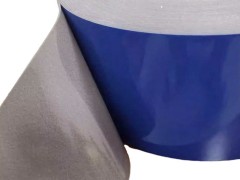
TESA 6305 is a gray double-sided acrylic foam tape, designed with a symmetrical three-layer structure and coated on both sides with high-performance adhesive for LSE substrates. It is ideal for:
✔ Bonding various LSE materials such as PP, PE, PMMA, and other plastics
✔ Structural mounting of decorative panels, nameplates, TV back covers
✔ Permanent installation requiring high initial tack, primer-free bonding, and temperature resistance
II. Technical Specifications
| Category | Specification | Industry Significance |
|---|---|---|
| Backing Material | Acrylic foam (gray) | Absorbs stress, cushions impact, ensures structural stability |
| Total Thickness | 500 µm (also available in 400/640/800/1100/1500 µm) | Multiple options for different gap-filling and bonding needs |
| Adhesive Type | High-performance LSE acrylic | Engineered specifically for low surface energy materials |
| Liner Type | PE release liner | Smooth surface, easy to peel, no adhesive transfer |
| Temperature Resistance (Short Term) | 120 °C | Withstands high temperatures during assembly processes |
| Temperature Resistance (Long Term) | 80 °C | Suitable for long-term use in electronics and appliances |
III. Four Key Advantages
1. True Primer-Free Bonding
TESA 6305’s LSE adhesive provides strong initial tack and final adhesion directly on PP, PE, PMMA, ABS, and other low surface energy materials. It simplifies production, eliminates primer steps, and reduces VOC emissions and costs.
2. High Initial Tack, Temperature-Resistant
It adheres firmly even in low temperatures or minimal pressure conditions. In operation, it maintains reliable bonding at 80 °C long-term, and withstands 120 °C short-term—ideal for structures near heat sources like TVs and appliances.
3. Stress Absorption for Durable Bonds
The viscoelastic acrylic foam core effectively absorbs and dissipates static and dynamic stress, preventing bond failure caused by thermal expansion, contraction, or mechanical shock.
4. Multiple Thickness Options for Flexible Use
TESA 6305 is available in thicknesses from 400 µm to 1500 µm, allowing it to suit various bonding precision levels, gap-filling needs, and cushioning requirements across industries.
IV. Typical Application Scenarios
Home Appliance Assembly: Mounting of plastic decorative panels on refrigerators, washing machines, etc.
Consumer Electronics: TV back panel, nameplate, or front panel bonding
Glass Panel Installation: Bonding lacquered glass or acrylic panels to plastic or metal frames
Automotive and Smart Device Housing: Bonding dissimilar materials, reducing mechanical fasteners
Industrial Product Assembly: Ensures visual consistency and concealed structural bonding
V. Technical Q&A
❓ Q: Can TESA 6305 be used directly on PP/PE surfaces without primer?
→ Yes. The tape is specifically designed for LSE materials and delivers excellent initial tack and long-term adhesion without any primer.
❓ Q: Are there differences in application between the available thicknesses?
→ Yes. The 500 µm version is the standard choice for mid-range structural bonding. For larger gaps or more cushioning, 800 µm or thicker versions are recommended.
❓ Q: Is it suitable for temperature-sensitive applications like TVs or appliances?
→ Absolutely. It supports long-term use at 80 °C and withstands short-term exposure to 120 °C, making it ideal for bonding components near heat sources.